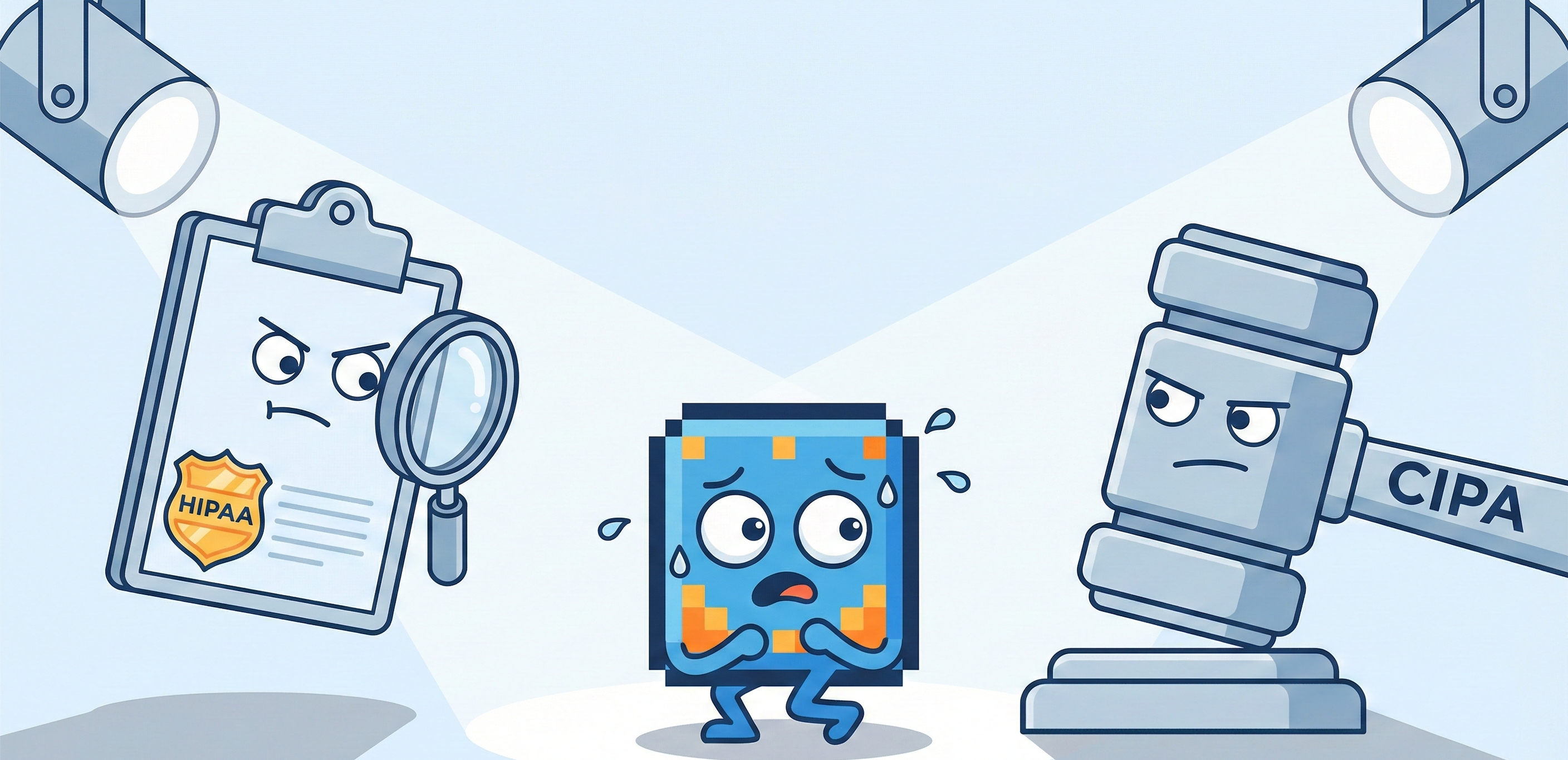
Healthcare privacy compliance is getting hit from both sides this week. Federal regulators are tightening HIPAA. California courts are handing plaintiffs fresh ammunition. And right in the middle? Your marketing pixels.
The Big One: HIPAA Security Rule Gets Its First Real Overhaul in 20 Years
Coming in 2026, and it's not a minor tune-up.
The "Addressable" Era Is Ending
You know that flexibility you've enjoyed around security controls, the "we're small, we interpret this differently" approach? Gone. Regulators want receipts now, not explanations.
Risk Analysis Goes from Annual to Always
That dusty assessment from 18 months ago won't cut it anymore. You'll need continuous documentation, tied to actual remediation, with leadership signatures attached.
The Basics Become Mandatory
MFA, encryption (in transit and at rest), centralized logging, backup verification. These shift from "best practice" to "required practice."
Incident Response Gets Graded
It's not just about whether you got breached. It's about how fast you knew, how fast you acted, and whether your response plan was more than a PDF gathering dust.
Vendor Oversight Gets Real Teeth
A signed BAA in a drawer isn't oversight anymore. You'll need to prove you're actually watching what your vendors do with ePHI.
The window: If your security documentation is thin or your practices are informal, you've got roughly a year to fix it. The 2026 deadline isn't theoretical.
Meanwhile in California: Tracking Pixels Are Back in the Crosshairs
A November 2025 ruling just made CIPA lawsuits a lot easier to file.
In Camplisson v. Adidas, a federal court rejected the recent business-friendly trend and ruled that tracking pixels collecting PII can qualify as "pen register" devices under California law. The court said privacy disclosures buried in the footer don't count as proper notice.
Why This Matters for Healthcare Marketers
CIPA carries $5,000 in statutory damages per violation, and no actual harm is required. For a healthcare site running standard pixels (Meta, TikTok, Google Analytics), the math gets ugly fast. And healthcare data makes you a more attractive target, not less.
The Defense That Works
Affirmative consent, obtained before tracking starts. Clickwrap beats buried links. Pop-ups beat footer policies. Clear language beats legalese.
2026 Forecast: More Lawsuits, Not Fewer
Legal observers are predicting a wave of CIPA claims next year. Here's why:
California's proposed safe harbor bill (SB 690) stalled in 2025 and won't take effect until 2027, if it passes at all. That creates a wide-open window for plaintiffs to file before any reform kicks in.
What's Getting Targeted
- Analytics pixels and tags
- Chat widgets
- Session replay tools
- Search bars connected to third-party analytics
Basically: anything that sends user behavior data to an outside vendor.
The Bottom Line
Two forces. One target.
HIPAA is demanding more proof. Privacy plaintiffs need less harm. Both are focused on the same thing: how you track users and what happens to that data.
What Smart Organizations Are Doing Now
- Auditing every tracking tool on their sites (yes, all of them)
- Implementing consent mechanisms that fire before any pixels do
- Making sure their privacy policies match their actual practices
- Locking down vendor contracts with real data use limitations
- Building a response plan before the demand letter arrives
The ones who wait for enforcement or litigation to force the issue? They'll learn the hard way that "we didn't know" stopped being a defense years ago.
Server-side tracking solutions that strip PHI before it reaches ad platforms aren't a nice-to-have anymore. They're how you stay in the game.
Healthcare marketing in 2026: More rules, more risk, same business pressure. Plan accordingly.