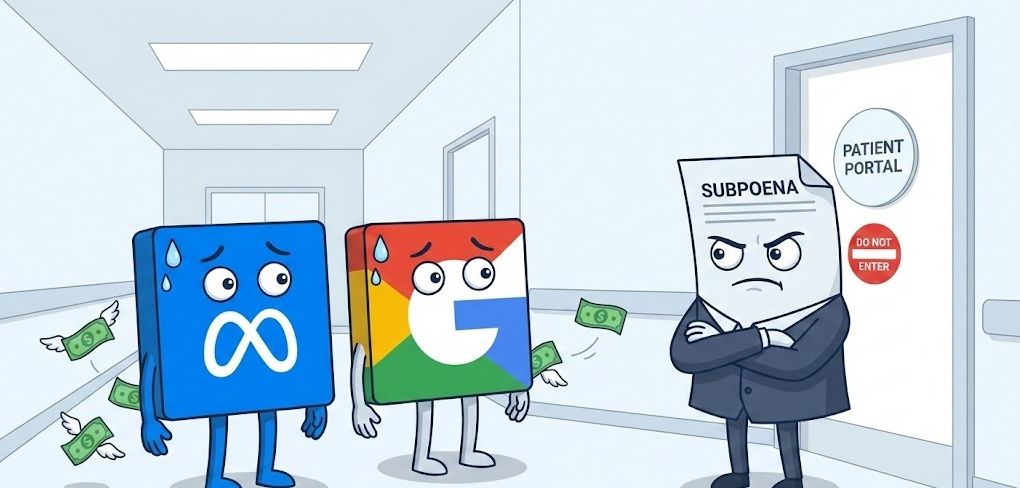
If you thought tracking pixels on healthcare websites were yesterday's problem, think again. This week brings a reminder that the legal and financial risks are very much present.
Inova Health Settles Pixel Tracking Lawsuit for $3.1 Million
Inova Health Care Services just wrote a $3,147,390.04 check to settle a pixel tracking class action. For those keeping score at home, that's roughly the cost of 5,200 years of Curve subscriptions.
The Virginia-based health system operates five hospitals and over 100 outpatient facilities. This isn't a two-physician practice getting caught out. It's a regional healthcare system facing the same pixel problem that's been hitting the industry since 2022.
What Happened at Inova Health
The lawsuit alleges that Facebook Pixel, Google Pixel, and other tracking technologies on Inova's public-facing websites disclosed private patient information to third parties without authorization. The settlement affects individuals who visited Inova's websites between April 29, 2022, and April 29, 2024, while holding a MyChart patient portal account.
The MyChart portal integration meant pixels potentially had access to appointment information, health conditions searched, and other data points patients didn't expect to end up in an ad platform's servers.
As part of the settlement, Inova has agreed to implement remedial measures to ensure its future use of tracking pixels complies with ECPA and HIPAA requirements.
Key Dates for the Inova Settlement
- Class Period: April 29, 2022 to April 29, 2024
- Claims Deadline: April 6, 2026
- Final Approval Hearing: April 16, 2026
What This Means for Healthcare Marketers
The pixel lawsuit wave isn't slowing down. Inova joins Kaiser Permanente ($47.5M), Geisinger Health ($5M), and dozens of others. If you're running digital advertising for a healthcare organization, here's what to check:
1. Audit Your Current Pixel Implementation
If you have Facebook, Google, TikTok, or any third-party pixels firing on patient-facing pages (scheduling portals, patient portals, appointment confirmations) you have exposure. Standard client-side pixels weren't built with HIPAA in mind, and they don't discriminate between marketing data and protected health information.
2. Review Your Consent Mechanisms
Even with pixel filtering in place, proper consent documentation matters. The legal standard continues to evolve, and courts are still defining what constitutes adequate disclosure and authorization for healthcare tracking.
3. Monitor Settlement Precedents
Each new settlement establishes what courts consider acceptable use of tracking technology in healthcare contexts. The pattern is clear: organizations that deployed standard advertising pixels on patient-facing digital properties are paying for it.
The Bottom Line
The $3.1 million Inova settlement is more evidence that standard advertising pixels and patient data don't mix. Server-side tracking solutions that filter PHI before it reaches ad platforms (like Curve) are now a requirement for any healthcare organization running digital advertising.
If you haven't audited your pixel setup recently, now's the time.
Source: Top Class Actions